

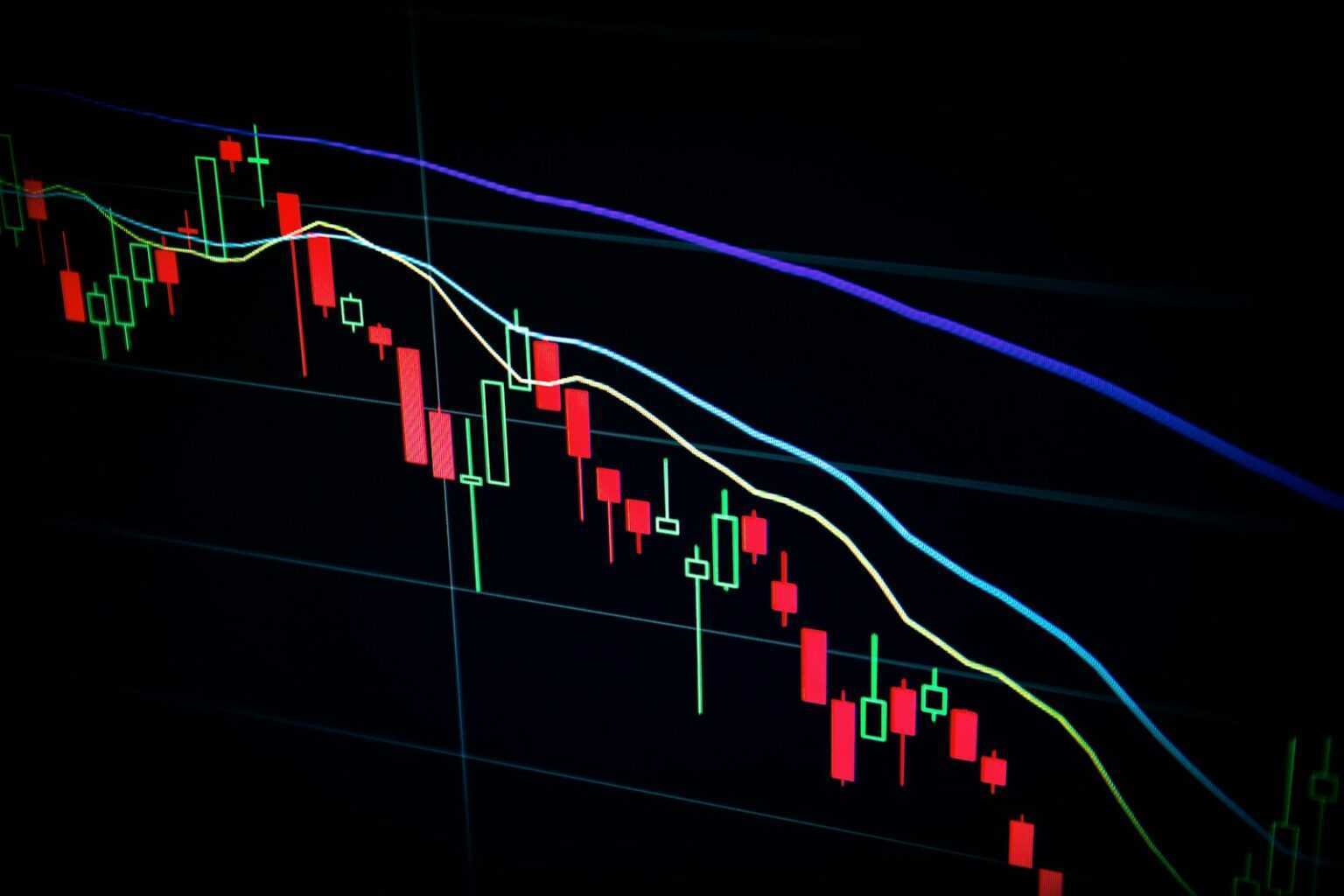
Utilize a streamlined interface to gain immediate insights into blockchain asset fluctuations. Efficient visualization tools transform raw transaction data into dynamic charts that update continuously, allowing users to track market shifts without delay. This approach enhances situational awareness and supports timely decision-making.
Implement control elements enabling fine-tuned filtering and personalized data views. Such features empower analysts to isolate specific tokens, exchanges, or timeframes within a single panel. The ability to manipulate parameters interactively reveals hidden correlations and emerging trends otherwise lost in static reports.
Integrate continuous data feeds with event-driven triggers for comprehensive surveillance. Combining streaming metrics with customizable alerts facilitates proactive responses to volatility or suspicious activity. This layered monitoring paradigm ensures critical changes are detected promptly while maintaining an adaptable overview of the digital asset environment.
Interactive dashboards: crypto real-time monitoring
Effective management of blockchain asset flows demands precise control interfaces that deliver continuous data streaming without latency. Utilizing multi-source visualization tools, analysts at Crypto Lab implement dynamic platforms designed for immediate response to network fluctuations and market shifts. These systems integrate live feeds from exchanges, on-chain metrics, and sentiment indices, enabling comprehensive situational awareness.
Dynamic control panels engineered for digital asset tracking incorporate modular widgets tailored to specific investigative goals. For instance, transaction velocity charts combined with mempool size indicators provide early detection of congestion or potential forks. Such granular insights arise from advanced telemetry protocols supporting synchronous updates that preserve data integrity across distributed nodes.
Data visualization techniques in dynamic asset surveillance
The deployment of graphical models such as heat maps and temporal trend graphs enhances pattern recognition in volatile environments. At Crypto Lab, a layered approach overlays price movement with wallet activity clusters, revealing correlations invisible through conventional spreadsheets. This method aligns with experimental design principles where hypothesis testing involves contrasting datasets under varying conditions.
Implementing responsive user interfaces requires adaptive algorithms capable of filtering noise while preserving signal fidelity. Case studies demonstrate that integrating moving averages with event-triggered alerts significantly improves anomaly detection rates during sudden market disruptions. Furthermore, these methods facilitate iterative refinement through user feedback loops embedded within the control architecture.
- Multi-dimensional data fusion from exchange APIs and blockchain explorers
- Event-driven update cycles minimizing processing delays
- User-configurable views allowing personalized analytical workflows
An important aspect of continuous observation platforms lies in their scalability and fault tolerance. The Crypto Lab infrastructure employs decentralized caching mechanisms and load balancing to maintain uninterrupted service even under peak traffic conditions. Experimental trials highlight that redundancy protocols reduce data loss probability by over 30%, ensuring reliability crucial for decision-making processes.
To cultivate deeper understanding, users are encouraged to engage in systematic experimentation with these tools–adjusting parameters such as sampling intervals or threshold levels–to observe resultant changes in output sensitivity. This hands-on exploration fosters critical evaluation skills necessary for mastering complex blockchain phenomena and ultimately supports informed strategic planning within fast-moving digital markets.
Configuring Real-Time Data Streams
Establishing continuous data feeds requires selecting appropriate protocols such as WebSocket or MQTT, which enable low-latency transmission essential for dynamic visualization environments. These protocols maintain persistent connections, allowing the interface to update instantaneously without repeated HTTP requests, thereby optimizing bandwidth and reducing response times. Implementing message queues like Apache Kafka or RabbitMQ can also enhance control over data ingestion rates and ensure ordered processing when handling high-frequency transactional flows.
Data normalization is a fundamental step in stream configuration to achieve coherent integration across multiple sources. Since blockchain nodes and market APIs provide heterogeneous formats, applying parsers that convert raw input into standardized schemas is necessary for accurate visualization layers. Tools like Apache Flink or Spark Streaming facilitate on-the-fly transformations and enrichments, enabling synchronized metric calculations critical for reliable asset monitoring panels.
Designing the Interface for Dynamic Updates
A responsive interface must support asynchronous event-driven architectures to reflect fluctuations in values such as token prices, transaction volumes, and network latencies with minimal delay. Employing libraries like D3.js or Chart.js allows real-time chart updates through efficient DOM manipulation techniques. Incorporating buffering mechanisms prevents jitter by aggregating micro-updates within short intervals before rendering changes, maintaining smooth user experience during peak activity.
Control elements embedded within the visualization environment permit tailored exploration of streaming data. Filters based on criteria like time frames or asset categories empower users to isolate pertinent information dynamically. Additionally, integrating alert systems configured via threshold triggers enhances situational awareness by automatically signaling significant deviations or anomalies detected during continuous flow analysis.
Case studies demonstrate that coupling decentralized exchange APIs with scalable backend services yields robust streaming pipelines capable of handling millions of events per second. For example, integrating Binance Smart Chain transaction streams through AWS Kinesis enables seamless ingestion paired with Lambda functions executing business logic for immediate dashboard updates. This architecture supports complex workflows including sentiment analysis overlays combined with price movement visualizations.
The experimental approach to configuring these components involves iterative testing under simulated load conditions mimicking volatile market behavior. Adjusting batch sizes in stream processors or modifying socket buffer limits directly impacts latency metrics measurable through tools like Wireshark or Grafana panels tailored for system performance analytics. Such hands-on calibration ensures the final setup balances freshness of displayed metrics against resource consumption effectively.
Customizing Visual Indicators
Achieving precise control over visual indicators requires configuring parameters that directly affect the responsiveness of data representation tools. Adjusting thresholds, color gradients, and alert triggers allows users to tailor visualization elements for specific asset volatility or transaction throughput. For example, setting dynamic color scales based on moving averages can highlight significant price fluctuations more effectively than static palettes, enhancing situational awareness during market shifts.
Incorporating modular widgets facilitates flexible tracking of multiple data streams simultaneously. By enabling selective activation or deactivation of components such as volume histograms, order book depths, and sentiment heatmaps, analysts can optimize layout according to task priorities. Implementing hierarchical filter systems further refines displayed information, ensuring focus on critical metrics without overwhelming the interface with extraneous details.
Experimental Approaches to Indicator Optimization
A practical methodology involves iterative testing of indicator sensitivity against historical datasets to identify configurations minimizing false positives while maximizing early warning signals. For instance, combining Bollinger Bands with relative strength indices in a composite indicator structure has demonstrated improved detection of breakout patterns in volatile assets. Such compound indicators benefit from adjustable smoothing factors and look-back periods, which should be systematically varied and evaluated through backtesting protocols.
Emerging research suggests integrating machine learning models to dynamically recalibrate visual cues based on evolving market conditions. Adaptive algorithms can modulate indicator parameters by analyzing feature importance scores derived from live transactional data streams. This approach fosters an experimental feedback loop where visual representations evolve congruently with underlying blockchain activity patterns, promoting sustained analytical precision under shifting network states.
Integrating multiple exchange APIs for comprehensive market control and visualization
The consolidation of data streams from various trading platforms demands a robust approach to API integration, ensuring precise control over asset flows and transactional accuracy. Establishing uniform endpoints that aggregate order books, trade histories, and price feeds allows for streamlined data acquisition. Employing asynchronous request handling techniques reduces latency in data transmission, permitting near-instantaneous updates within the user interface.
Visualization tools must be designed to accommodate heterogeneous data formats originating from distinct exchange protocols. Implementing middleware layers that normalize JSON or WebSocket payloads into standardized schemas facilitates consistent rendering across different sources. This standardization supports flexible charting components capable of displaying candlestick patterns, depth charts, and liquidity heatmaps concurrently.
Maintaining synchronization across multiple API connections requires continuous verification mechanisms. Heartbeat signals and rate-limit monitoring prevent disruptions caused by connection drops or throttling policies imposed by exchanges. For example, Binance’s REST API enforces weight limits per minute; exceeding these results in temporary bans that can hinder data freshness. Adaptive request scheduling algorithms can dynamically adjust polling intervals based on current network conditions and server responses.
User interfaces integrating multi-exchange data benefit significantly from modular architecture designs. Components dedicated to individual exchange feeds can operate independently yet communicate through centralized state management systems such as Redux or Vuex. This structure enhances fault tolerance: if one feed fails, others remain operational without degrading overall system responsiveness. Additionally, it simplifies debugging by isolating problematic modules during experimental trials with new API versions.
- Implement layered authentication procedures tailored to each platform’s requirements (OAuth tokens, API keys).
- Incorporate error-handling routines capable of differentiating between transient network failures and permanent endpoint deprecations.
- Use time synchronization protocols like NTP to align timestamped event logs for accurate cross-exchange activity correlation.
The integration process invites experimentation with interface responsiveness by simulating high-frequency trading scenarios using historical datasets replayed at accelerated speeds. Observing system behavior under stress reveals bottlenecks in data ingestion pipelines or rendering delays in visualization modules. Iterative refinement guided by such empirical testing ensures that the final product delivers seamless observation capabilities with minimal lag across all connected platforms.
This multidisciplinary approach–combining network engineering principles with front-end development strategies–transforms fragmented exchange information into a coherent analytical environment. By encouraging systematic trial-and-error within controlled settings, analysts gain confidence interpreting complex market dynamics through consolidated graphical representations and interactive controls embedded within the monitoring environment.
Setting up alert notifications
Establishing precise alert notifications requires configuring triggers based on dynamic data streams to ensure immediate awareness of significant changes in asset values or network conditions. Utilizing a control interface that supports comprehensive parameter adjustment allows users to define thresholds for price fluctuations, transaction volumes, and blockchain health indicators. This approach transforms passive observation into active oversight by delivering targeted warnings through multiple channels such as SMS, email, or push notifications.
The integration of visualization modules within the alert system enhances understanding by correlating notification events with corresponding data trends. For example, a sudden increase in transaction fees visualized alongside an alert about pending mempool congestion provides contextual clarity that supports rapid decision-making. Combining graphical feedback with customizable alerts establishes a feedback loop essential for managing volatile environments effectively.
Technical considerations for implementation
Implementing alerts demands real-time data ingestion supported by low-latency communication protocols like WebSocket or gRPC to maintain synchronization with live blockchain feeds. The backend must efficiently parse and analyze incoming blocks and mempool status updates using event-driven architectures to trigger alerts without delay. In practice, systems leveraging microservices can isolate monitoring tasks from notification dispatchers, improving scalability and fault tolerance during peak network activity.
Alert criteria should incorporate complex event processing (CEP) techniques that evaluate combined conditions rather than single metrics alone. For instance, triggering an alert when both market price drops below a predefined threshold and network hash rate exhibits abnormal fluctuations offers a more refined signal than isolated triggers. Such multi-factor analysis reduces false positives and directs attention toward genuinely impactful incidents.
Users benefit from interactive configuration panels that allow iterative testing of alert parameters against historical datasets before deployment. Providing sandbox environments where different scenarios can be simulated encourages experimentation with sensitivity settings and notification timing. This systematic trial-and-error process builds confidence in the reliability of alerts while fostering deeper comprehension of underlying blockchain dynamics.
Conclusion: Analyzing Market Trends Live
Utilizing dynamic visualization tools with seamless data integration provides traders and analysts with unparalleled control over the continuous fluctuations of decentralized asset markets. The capacity to observe shifting price movements, liquidity pools, and transaction volumes through a responsive interface enables precision in decision-making previously unattainable without advanced algorithmic support.
The fusion of rapid data ingestion and customizable visual components facilitates experimental hypothesis testing directly within the analytic environment. Users can manipulate variables such as timeframes, asset pairs, or on-chain indicators, observing cause-effect relationships instantly. This hands-on approach mirrors laboratory investigations where iterative feedback loops refine understanding and strategy development.
Technical Insights and Forward-Looking Perspectives
- Latency Reduction: Emerging protocols for distributed data streaming reduce propagation delays to milliseconds, enhancing situational awareness during volatile events like forks or flash crashes.
- Modular Architecture: Component-based design allows incremental feature integration–such as sentiment analysis engines or automated anomaly detection–to evolve monitoring capabilities without disrupting core functions.
- Cross-Chain Aggregation: Consolidating metrics across multiple blockchains into unified frameworks offers comprehensive market overviews, revealing arbitrage opportunities otherwise obscured by siloed data sources.
- User-Centric Customization: Flexible interfaces empower users to tailor alerts and visualization parameters dynamically, supporting diverse research hypotheses from short-term scalping to long-term trend validation.
A systematic exploration of these capabilities invites curiosity-driven experimentation akin to scientific inquiry: How do specific protocol upgrades influence liquidity depth? What patterns emerge when correlating miner behavior with token inflation rates? By framing each analytical query as a testable proposition within this evolving ecosystem, practitioners build confidence in their interpretations while adapting swiftly to novel phenomena.
The trajectory points toward increasingly sophisticated analytic environments that blend machine learning inference engines with interactive visual platforms. Such convergence promises enhanced predictive accuracy while preserving user agency–a balance critical for navigating decentralized financial systems marked by opacity and rapid transformation. Encouraging methodical experimentation within these tools nurtures a deeper grasp of complex mechanisms underpinning asset dynamics, ultimately advancing both theoretical knowledge and practical expertise in distributed ledger technology finance.