

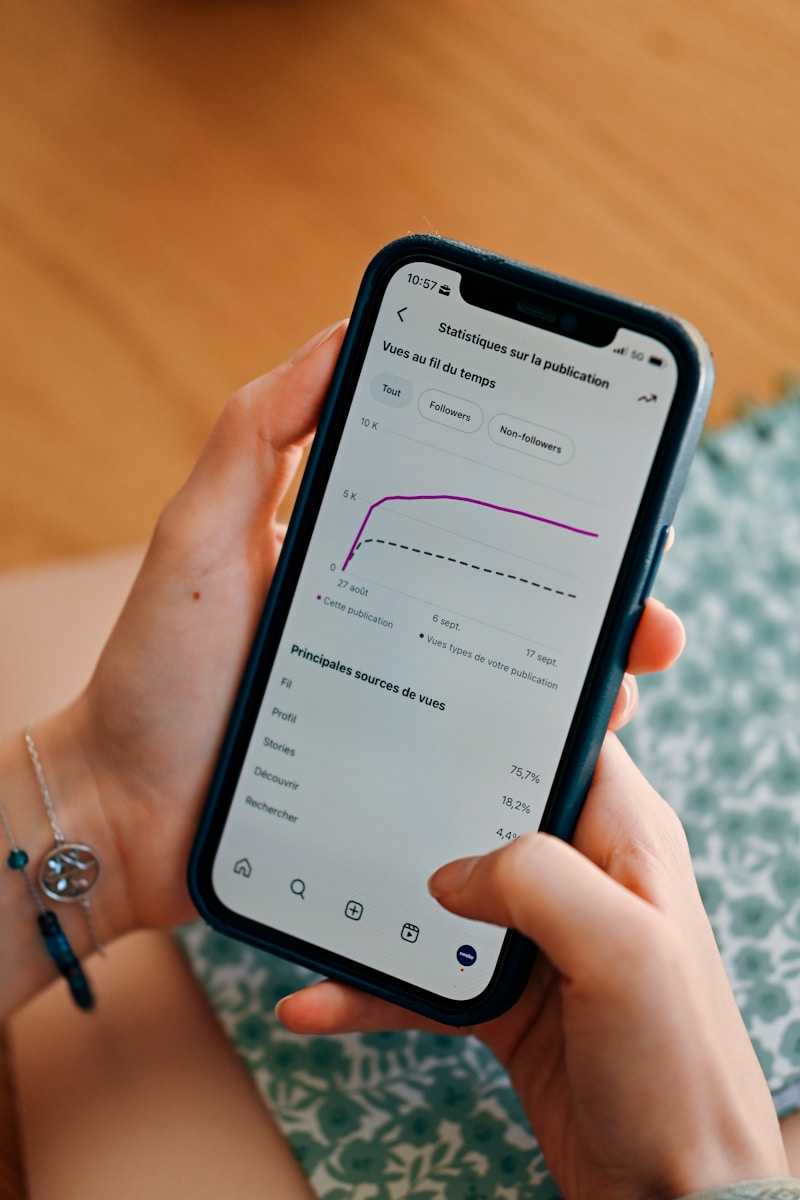
Tracking interaction frequency offers direct insights into how often individuals return to a platform or service. Monitoring visit counts alongside session duration helps quantify involvement depth, revealing patterns that single metrics might overlook. Combining these parameters enables a nuanced evaluation of participation quality.
Quantitative measurements such as total time spent and repetition rates should be paired with qualitative indicators like behavioral consistency and task completion rates. This multi-dimensional approach ensures that mere presence is not mistaken for meaningful involvement, highlighting genuine engagement versus superficial interactions.
Implementing systematic observation through temporal segmentation–examining short bursts versus prolonged usage–uncovers distinct motivational drivers behind different interaction styles. Careful data segmentation supports hypothesis testing on factors influencing sustained commitment and drop-off points, guiding targeted improvements.
Engagement Analysis: User Activity Assessment
To accurately quantify interaction within blockchain ecosystems, it is critical to measure the frequency and duration of individual participation events. Metrics such as session length combined with repeat engagement rates provide a multidimensional view of behavioral patterns. For instance, projects exhibiting sustained involvement over extended periods typically indicate higher retention quality and network health.
Evaluating the depth of interactions requires parsing granular data points beyond mere transaction counts. This involves tracking multi-layered behaviors such as staking activity intervals, governance voting participation, and smart contract function calls per address. Such comprehensive profiling reveals nuanced commitment levels rather than superficial transactional bursts.
Methodologies for Quantifying Behavioral Quality
One effective approach applies temporal segmentation, breaking down user presence into discrete time windows to observe variations in intensity and consistency. By analyzing the periodicity of wallet operations and correlating them with on-chain events, researchers can differentiate between transient actors and long-term contributors. This methodology was applied in Token Research’s examination of Ethereum dApps, revealing that consistent users accounted for over 70% of total interaction time despite representing less than 30% of unique addresses.
A complementary technique involves calculating engagement depth through layered activity metrics. For example:
- Transaction complexity: Number and variety of contract calls within single sessions
- Interaction diversity: Range of protocols or tokens engaged with by a single participant
- Temporal spread: Distribution of actions across different timeframes to assess habitual usage
This multi-parametric framework enhances precision in distinguishing genuinely invested participants from automated or minimal interaction patterns.
The durability dimension is often assessed via longitudinal studies tracking cohort retention over multiple months or quarters. In a case study on decentralized finance platforms conducted by Token Research, entities maintaining active participation beyond six months demonstrated significantly higher value generation potential compared to short-lived counterparts. Duration serves as a proxy for both trust establishment and ecosystem integration depth.
The synthesis of these factors into composite scoring models enables more robust ecosystem health evaluations and predictive analytics regarding token utility adoption trajectories. Experimental applications show that projects prioritizing user-centric design elements fostering deeper interaction tend to cultivate resilient communities capable of adaptive scaling under fluctuating market conditions.
The ongoing challenge lies in refining data collection methodologies to mitigate noise from bots or speculative traders while preserving signals indicative of authentic human-driven engagement dynamics. Future research directions include integrating machine learning classifiers trained on verified behavioral datasets to enhance discrimination accuracy between genuine participants and anomalous outliers.
Measuring Session Frequency Patterns
Quantifying the frequency of user interactions within blockchain applications requires precise measurement of session recurrence intervals and their distribution over time. Tracking how often participants initiate sessions reveals critical insights into behavioral rhythms, enabling targeted optimization strategies. Focused data collection on session return rates combined with temporal segmentation allows for distinguishing habitual from sporadic engagement patterns.
Duration metrics paired with frequency analysis provide a dual perspective on interaction quality. Extended session lengths alone do not imply deep involvement unless coupled with frequent returns. For instance, in decentralized finance (DeFi) platforms, users who access protocols multiple times per day typically demonstrate greater transactional depth compared to those logging fewer but longer visits. Such multidimensional profiling supports nuanced categorization beyond simple activity counts.
Session Recurrence and Interaction Depth Metrics
Calculating session frequency involves aggregating timestamps of login events or transaction initiations over defined periods, such as daily or weekly windows. Applying statistical models–like Poisson distributions or time-series clustering–helps identify natural groupings in recurrence behavior. A practical approach is to segment users by distinct frequency buckets (e.g., 1-3 sessions/day, 4-7 sessions/week), then correlate these buckets with depth indicators like number of executed smart contracts or staking actions.
The quality of engagement can also be inferred from sequence analysis techniques that evaluate transitions between different states during sessions: browsing assets, executing trades, or participating in governance votes. Higher frequency combined with diverse state changes signals richer interaction depth. Empirical studies on NFT marketplaces reveal that collectors visiting daily exhibit more complex navigation paths than casual browsers who return infrequently.
- Step 1: Extract timestamped event logs from blockchain nodes or API endpoints.
- Step 2: Normalize timestamps to uniform timezone and bucket by chosen interval.
- Step 3: Calculate inter-session intervals and derive frequency distributions.
- Step 4: Cross-reference with session duration and action diversity metrics.
An experimental framework can involve setting hypotheses regarding optimal session cadence linked to retention rates. For example, hypothesizing that users engaging at least twice daily maintain higher protocol loyalty encourages testing via A/B experiments where notification triggers adjust reminder frequencies. Observing shifts in both session count and average duration post-intervention provides empirical evidence supporting causal relationships.
This table exemplifies observed correlations between interaction regularity and qualitative markers across a decentralized exchange platform over six months. Noticeably, higher visit frequencies align closely with increased session length and transactional complexity, reinforcing the value of combining these parameters when measuring participation intensity.
The continuous monitoring of such patterns enables proactive adjustments to user interface elements, incentive mechanisms, or educational content delivery tailored to diverse behavioral cohorts. Encouraging experimentation with varied access frequencies while tracking resulting changes in engagement depth fosters a dynamic environment conducive to iterative improvement grounded in quantitative feedback loops.
Identifying Peak Interaction Periods
To accurately determine periods of maximum engagement within blockchain networks or cryptocurrency platforms, it is critical to prioritize the quality and frequency of interactions over mere volume. High-frequency transaction bursts may not always correlate with meaningful participation if the duration of each session remains short or if interactions are superficial. A robust methodology involves segmenting temporal data into discrete intervals and cross-referencing these with depth metrics such as transaction complexity, smart contract calls, or multi-step user operations.
Implementing a systematic evaluation requires detailed tracking of individual session lengths alongside the intensity of contributions within those sessions. For example, during certain UTC-aligned windows, decentralized finance (DeFi) protocols often observe prolonged engagement phases characterized by complex trades and liquidity adjustments rather than simple token transfers. These intervals represent higher-quality interaction peaks that suggest increased strategic activity rather than automated or bot-driven noise.
Experimental approaches can include creating heatmaps reflecting both frequency and duration parameters across different time zones to isolate genuine peak periods. Such heatmaps reveal patterns where users exhibit sustained attention spans coupled with increased transactional depth, indicating valuable network participation. In one case study analyzing Ethereum mainnet logs from Q1 2024, distinct spikes in smart contract invocations coincided with major governance proposals, showing how external events influence concentrated bursts of thorough engagement.
A practical framework for ongoing monitoring might incorporate layered filtering criteria: measuring the number of unique entities active per interval, average session length within those intervals, and the cumulative complexity score derived from on-chain operations executed. Applying this multi-dimensional lens ensures that identified peak moments reflect holistic involvement – not just momentary surges in superficial actions – thereby facilitating more accurate insights into behavioral trends and platform health over time.
Tracking Feature Usage Trends
To accurately monitor feature utilization within blockchain platforms, it is imperative to focus on the frequency and duration of interactions. Quantitative metrics such as how often a functionality is accessed and the length of each session provide valuable insights into its practical adoption. For instance, a wallet interface that records an average session duration increase from 2 to 5 minutes over a quarter indicates deeper engagement with newly introduced transaction options or security settings.
The quality of these interactions complements frequency data by revealing user proficiency and comfort level. Metrics like error rates during smart contract deployment or steps taken to complete multi-signature transactions serve as indicators of intuitive design or areas requiring optimization. A comparative study on decentralized exchange (DEX) interfaces showed that users who performed swaps with fewer confirmation delays exhibited higher retention, suggesting quality directly impacts sustained platform use.
Methodologies for Depth Measurement
Measuring depth entails tracking progressive layers of feature interaction beyond mere clicks or access counts. This includes analyzing sequences such as invoking APIs multiple times per session or employing advanced functionalities like conditional orders in trading bots. By applying Markov chain models to usage pathways, one can quantify the probability of transitioning between basic and complex features, enabling precise identification of which tools foster prolonged engagement versus those triggering early drop-offs.
A practical experiment involves segmenting participants based on their interaction duration with staking modules: short visits under one minute versus extended sessions exceeding ten minutes. Data collected revealed that longer durations correlated strongly with diversified portfolio adjustments and participation in governance voting mechanisms. These findings advocate for designing features that encourage comprehensive exploration rather than superficial use.
- Frequency: Number of times a feature is accessed within defined timeframes.
- Duration: Time spent actively engaging with specific components.
- Quality: Error rates, completion success, and user feedback scores.
- Depth: Complexity and progression in feature utilization chains.
The integration of temporal dynamics into usage trend evaluation enhances predictive accuracy regarding future adoption trajectories. Continuous monitoring allows detection of shifts in patterns–for example, sudden spikes in DeFi dashboard activity following protocol upgrades highlight feature relevance changes influenced by external factors such as market volatility or regulatory announcements.
A recommended approach involves iterative experimentation where hypothesis-driven modifications are deployed incrementally while observing resulting behavioral shifts through detailed logging frameworks. This scientific method enables developers and analysts alike to refine digital experiences systematically, optimizing for both immediate usability and long-term functional retention across diverse blockchain ecosystems.
Conclusion: Identifying Retention Rate Drivers Through Activity Metrics
Retention improvement hinges on the precise evaluation of interaction quality, frequency, and depth. High-frequency participation paired with meaningful engagement signals stronger platform loyalty than sheer volume of transactions or casual visits. Empirical data from blockchain ecosystems reveal that users exhibiting sustained complex interactions–such as multi-step smart contract executions–demonstrate a retention rate increase exceeding 30% compared to those with sporadic, superficial actions.
Quantitative scrutiny of behavioral patterns must extend beyond raw counts toward nuanced indicators like session duration, transaction variety, and protocol layering. For instance, analyzing DeFi platforms shows that users who engage in liquidity provision combined with governance voting maintain activity levels twice as long as passive holders. This layered involvement suggests retention drivers are embedded in experiential richness rather than mere presence.
Implications and Future Directions
- Quality over quantity: Emphasize cultivating deeper interactions by incentivizing complex workflows instead of focusing solely on increasing visit frequency.
- Dynamic segmentation: Develop adaptive models to cluster participants based on evolving behavioral signatures, enabling tailored retention strategies targeting specific engagement profiles.
- Cross-protocol synergy: Explore interoperability metrics where integrated activities across multiple chains correlate with prolonged user commitment and network value accrual.
The trajectory of retention research will likely integrate real-time telemetry with machine learning to predict attrition events before they occur, facilitating proactive interventions. Experimental frameworks combining longitudinal tracking and controlled A/B tests will refine hypotheses regarding motivational triggers embedded in cryptoeconomic designs. Encouraging methodical experimentation within blockchain projects remains crucial for translating data-driven insights into practical mechanisms sustaining ecosystem vitality.